

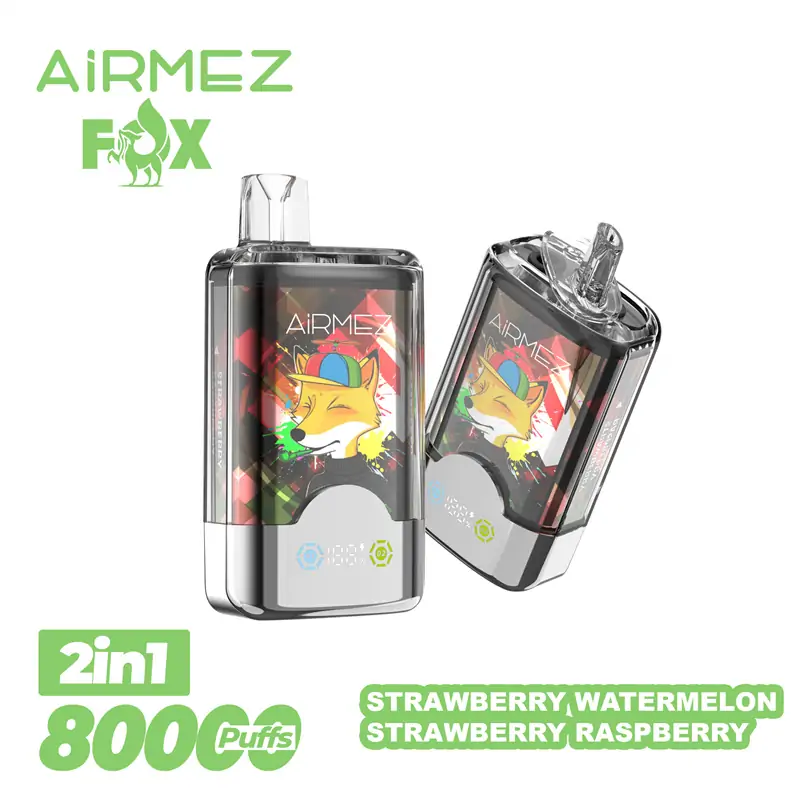
Cigarettes vs e-cigarettes is not just a question of flavor, price, or convenience. For adult buyers, the real decision involves nicotine strength, health risk, local laws, shipping limits, product authenticity, taxation, and responsible use. Both cigarettes and e-cigarettes can contain nicotine, and nicotine is highly addictive. Public health authorities also make one point very clear: people who do not already use tobacco or nicotine products should not start.
For adults who already use nicotine products, the buying process should be careful. A smart order is not simply the cheapest product or the strongest option. It is the product that matches your legal age, local rules, usage habits, nicotine tolerance, delivery requirements, and safety expectations.
Cigarettes are combustible tobacco products. They are burned, and the user inhales smoke. That smoke contains thousands of chemicals, many of which are harmful or toxic. CDC states that cigarette smoke contains a deadly mix of about 7,000 chemicals.
E-cigarettes, also called vapes or electronic nicotine delivery systems, do not burn tobacco in the same way. They heat e-liquid to create an aerosol. That aerosol may contain nicotine, flavorings, solvents, and other substances.

| Feature | Cigarettes | E-Cigarettes |
|---|---|---|
| Main form | Burned tobacco | Heated e-liquid aerosol |
| Common nicotine source | Tobacco leaf | Nicotine liquid, often tobacco-derived or synthetic depending on market |
| Smell | Strong smoke odor | Usually lighter vapor smell, often flavored |
| Residue | Ash, smoke, tar odor | Vapor residue, device waste, battery waste |
| Health risk | Well-established high risk | Not risk-free; long-term effects still being studied |
| Legal control | Heavily regulated in most countries | Also regulated, but rules differ widely |
| Shipping | Often restricted | Often restricted, especially cross-border |
This is one of the biggest questions adult buyers ask before ordering.
The balanced answer is: e-cigarettes generally expose users to fewer harmful chemicals than cigarette smoke, but they are not safe. CDC states that e-cigarette aerosol generally contains fewer harmful chemicals than cigarette smoke, but this does not make e-cigarettes safe. Scientists are still studying the immediate and long-term health effects of e-cigarette use.
That means adult buyers should avoid two extreme misunderstandings:
Neither statement is accurate.
Cigarette smoking is strongly linked to serious disease. CDC’s adult tobacco-use data describes cigarette smoking as a leading preventable contributor to disease and death in the United States.
Cigarettes involve combustion. Burning tobacco creates smoke, tar, carbon monoxide, and many toxic compounds. For adult buyers, this means cigarettes carry known, long-established health risks.
E-cigarettes do not create smoke from burning tobacco, but they still deliver substances into the lungs. Many e-cigarettes contain nicotine. Some products may also contain high nicotine concentrations, flavoring chemicals, metals from heating elements, or other contaminants.
FDA says there is no safe tobacco product, and people who do not use tobacco products should not start using e-cigarettes.
Nicotine strength is one of the most important differences between cigarette and e-cigarette buying.
Cigarette buyers usually compare:
The nicotine delivery can feel familiar to long-time smokers because the product format is consistent.
E-cigarette buyers must pay close attention to nicotine concentration. A vape product may be labeled as:
These numbers matter. A high-nicotine disposable device may feel much stronger than a beginner expects.
In the European Union, the Tobacco Products Directive sets rules for e-cigarettes, including maximum nicotine concentration and volume limits for cartridges, tanks, and refill containers. The European Commission also notes that e-cigarettes should be child-resistant, tamper-evident, and designed to reduce spillage during refilling.
Do not choose the strongest nicotine level just because it looks like better value. For many adult users, too much nicotine may cause discomfort such as nausea, dizziness, headache, or rapid heartbeat. If you are unsure, choose a lower strength and use carefully.

Flavor is another major difference.
Cigarettes usually offer a narrower flavor range, such as:
E-cigarettes often offer a much wider range, including fruit, mint, dessert, beverage, tobacco, and ice-style flavors.
Flavored vape products are heavily debated because they may appeal to younger users. Regulations vary by country and region. In the United States, FDA authorization of e-cigarette products does not mean those products are “FDA approved” or safe; FDA states that all tobacco products are harmful and potentially addictive.
Adult buyers should not assume that a product is legal in their country just because it is available online. A flavor, nicotine level, or disposable format may be allowed in one market and restricted in another.
Tobacco and nicotine products are age-restricted. This is not a small detail. It affects payment, delivery, account verification, and customs risk.
In the United States, federal law prohibits retailers from selling tobacco products to anyone under 21. FDA states that this rule covers cigarettes, smokeless tobacco, hookah tobacco, cigars, pipe tobacco, liquid nicotine, e-cigarettes, and e-liquids.
Other countries may use different minimum ages, but the principle is the same: buyers must meet the legal age requirement in their location.
A responsible seller should never market nicotine products to minors or avoid age verification.
Shipping is one of the most common problem areas for cigarette and e-cigarette orders.
Nicotine products are not like normal consumer goods. Many countries apply strict rules to tobacco, e-liquids, disposable vapes, and nicotine devices.
Cigarettes may face:
Even if a website accepts your order, customs may still inspect or reject the parcel.
E-cigarettes can face additional shipping concerns because they may include:
In the United States, the PACT Act generally restricts mailing cigarettes, smokeless tobacco, and electronic nicotine delivery systems. ATF notes that the law generally bans the mailing of cigarettes, smokeless tobacco, and ENDS.
Before ordering, check whether the seller clearly explains:
If a seller gives no information about age checks, customs, or restricted destinations, that is a warning sign.

For cigarettes, buyers often worry about freshness, packaging condition, origin, and whether the product matches the listed description.
For e-cigarettes, quality concerns are broader because the product includes liquid, heating components, battery hardware, and airflow design.
Before ordering cigarettes, adult buyers should check:
Before ordering e-cigarettes, check:
Be cautious with unrealistic puff counts, unclear nicotine labels, or extremely cheap products with no manufacturer information.
The answer depends on location, tax, consumption habits, and product type.
Cigarettes may look cheaper per pack in some markets, but taxes can make them expensive. E-cigarettes may appear cost-effective because one device can last several days or longer, depending on usage. Yet high-use buyers may go through devices quickly.
A cheap vape with poor battery life or weak flavor may not be good value. A low-cost cigarette order may also become expensive if customs duties or failed delivery occur.
Cigarettes create ash, cigarette butts, smoke odor, and secondhand smoke concerns.
E-cigarettes create electronic waste, plastic waste, battery waste, and used pods or cartridges. Disposable vapes can be especially problematic because they combine batteries, plastic, metal, and remaining liquid in one unit.
For adult buyers, this matters because some regions restrict single-use vapes or require special disposal. Always check local rules before ordering disposable devices.
There is no single answer for every adult buyer.
Cigarettes may suit buyers who want a traditional tobacco format and already understand their preferred product. E-cigarettes may appeal to adult smokers who want a smoke-free format with more flavor options and less smoke odor. But neither option is risk-free.
Adult buyers often make avoidable mistakes when ordering cigarettes or e-cigarettes online.
A product sold online may not be legal to import into your country. Always check your local rules first.
High nicotine does not always mean better satisfaction. It can be too strong for some users.
Avoid sellers that do not show product details, shipping terms, age restrictions, or refund rules.
FDA-authorized e-cigarette products are not the same as safe or FDA-approved products. FDA clearly states that all tobacco products are harmful and potentially addictive.
Import duties, tobacco tax, and customs inspections can change the final cost and delivery result.
Cigarettes vs e-cigarettes is a serious buying decision for adults. Cigarettes have long-established health risks because they burn tobacco and create toxic smoke. E-cigarettes generally expose users to fewer harmful chemicals than cigarette smoke, but they are still not safe and often contain addictive nicotine.
Before ordering, adult buyers should check legal age, local import rules, nicotine strength, product quality, shipping restrictions, and customs responsibilities. The best purchase is not simply the cheapest or strongest product. It is the product that matches your legal market, personal tolerance, and safety expectations.
For non-users, the clearest advice is simple: do not start using cigarettes, e-cigarettes, or any nicotine product. For adult users who already purchase these products, ordering carefully, legally, and responsibly is essential.
More Airmez Guides:
Disposable E-Cigarettes Explained: Puff Count, Battery Life and Flavor Options
20K vs 25K vs 40K vs 60K Vapes: What Puff Count Really Means


